
Ανάλυση υφής τροφών για κατοικίδια & μηχανήματα
Αναλυτής & Μέθοδος ανάλυσης υφής τροφών για κατοικίδια ζώα
Σχετικά με εμάς
Understanding the Shear Test for Pet Food Texture Analysis
Pet food texture directly affects animal acceptance, chewing behavior, and overall product quality. For products such as meat-based treats, jerky, soft chews, and processed pet food, evaluating mechanical properties is essential for ensuring consistent texture and production stability. The Shear Test is a widely used texture evaluation method that measures the resistance of a sample against a cutting or shearing force.
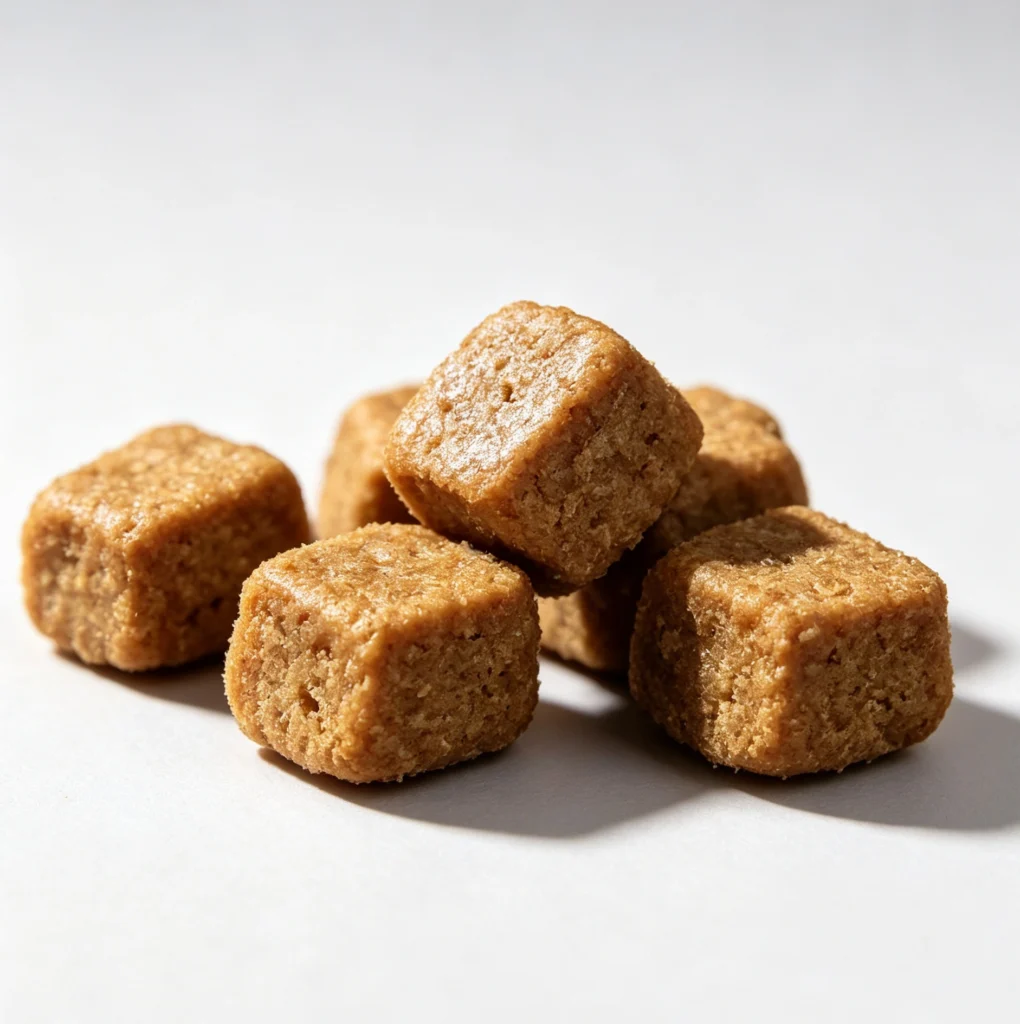
Αξιόπιστη ανάλυση υφής για διασφάλιση ποιότητας
Shear Force Test
Unlike simple hardness measurement, the Shear Test focuses on how easily a product can be cut or broken under controlled conditions. This property closely relates to real chewing behavior because many pet foods require a specific level of resistance during biting. By obtaining quantitative data, manufacturers can optimize formulation, processing conditions, and product consistency.
A professional texture analyzer provides accurate measurement of shear force, deformation, and fracture characteristics, helping pet food manufacturers establish reliable quality control standards.
Αξιόπιστη ανάλυση υφής για διασφάλιση ποιότητας
Pet Food Texture Analyzer Applications
Το Shear force test is one of the important texture analysis methods used to evaluate pet food mechanical properties. During testing, a blade or cutting fixture applies controlled force to the sample until the structure is separated. The maximum force required for cutting represents the shear strength of the product.
For pet food products, the main evaluation parameters include:
Shear Force:
The peak force required to cut through the sample. Higher shear force generally indicates a firmer and tougher texture.
Μέτρηση σταθερότητας:
Firmness reflects the resistance of pet food when compressed or cut. It helps manufacturers control whether products are too hard, too soft, or within the desired texture range.
Fracture Characteristics:
The test can identify whether a product shows brittle breaking behavior or a more flexible and chewy texture.
A αναλυτής υφής τροφών για κατοικίδια integrates mechanical testing with precise force measurement, allowing manufacturers to evaluate texture properties objectively instead of depending only on sensory judgment.
Principle and Test Process of Shear Testing for Pet Food
The working principle of the Shear Test is based on mechanical resistance measurement. A load cell records the force generated when a cutting probe or blade moves through the pet food sample.
The typical testing procedure includes:
Sample Preparation
Pet food samples are prepared with consistent size, shape, and conditioning conditions to minimize testing variation.
Fixture Installation
A suitable shear blade or cutting fixture is selected according to the product characteristics, such as soft treats, meat snacks, or dry pet food.
Parameter Setting
Testing speed, trigger force, and cutting distance are configured according to the product requirements.
Mechanical Measurement
The blade moves through the sample while the instrument continuously records force and displacement data.
Data Analysis
The system calculates maximum shear force, cutting energy, and deformation characteristics to evaluate texture performance.
This standardized approach allows manufacturers to compare different formulations, ingredients, and production batches.
Importance of Texture Analysis for Pet Food Quality Control
Texture is a critical quality attribute for pet food because it influences product acceptance, storage stability, and manufacturing consistency. Changes in ingredients, moisture content, cooking conditions, and processing methods can significantly affect texture performance.
Using a αναλυτής υφής τροφών για κατοικίδια helps manufacturers:
01
Maintain consistent product texture between batches
02
Optimize meat and protein-based formulations
03
Evaluate the influence of additives and processing parameters
04
Monitor product changes during shelf-life studies
05
Develop products with targeted chewing characteristics
For example, meat-based pet treats require sufficient toughness to provide chewing enjoyment, while soft pet food products require appropriate firmness for easy consumption.
Texture Analyzer for Pet Food Shear Test
Cell Instruments TEX-01 and TEX-01Pro Texture Analyzers
Το Cell Instruments TEX-01 and TEX-01Pro Texture Analyzers provide professional solutions for pet food texture evaluation, including shear testing, firmness measurement, compression analysis, and customized texture analysis methods.
For Shear Test applications, the instrument can be configured with suitable cutting fixtures to measure the force required to separate pet food samples. The system records force-displacement curves and provides detailed analysis of mechanical behavior.
The TEX-01 supports multiple testing methods, including:
- Single Compression Test for firmness evaluation
- Hardness & Fracturability Test for structural strength analysis
- Fixed Deformation Test for resistance measurement
- Cycle Compression Test for repeated chewing simulation
- Tensile Test for products requiring stretching evaluation
For advanced food texture research, the TEX-01Pro additionally supports Texture Profile Analysis (TPA), also known as the two-bite test. TPA simulates human chewing behavior by compressing samples twice and analyzing parameters such as hardness, cohesiveness, springiness, and chewiness.
These testing capabilities allow pet food manufacturers and research laboratories to perform comprehensive texture evaluation based on different product requirements.

Applications of Shear Testing in Pet Food Products
Το Shear Test can be applied to various pet food categories, including:
Meat-Based Treats
Evaluate toughness and cutting resistance of jerky and meat snacks.
Soft Chews
Measure firmness and deformation characteristics to ensure acceptable chewing properties.
Dental Treats
Analyze mechanical strength and structural stability.
Processed Pet Food
Compare formulation changes and production consistency.
New Product Development
Support ingredient selection and texture optimization during R&D.
By combining shear testing with other texture analysis methods, manufacturers can obtain a complete understanding of product performance.

Frequently Asked Questions about Shear Force Test
Why is the Shear Test important for pet food products?
The Shear Test provides quantitative information about cutting resistance and toughness, helping manufacturers control texture consistency and optimize product quality.
What does shear force indicate in pet food testing?
Shear force represents the force required to cut through a sample. It reflects product firmness, toughness, and structural strength.
Can a texture analyzer perform both shear testing and hardness testing?
Yes. A professional texture analyzer can perform multiple mechanical tests, including shear testing, compression testing, hardness measurement, and fracturability analysis.Common tests include ανάλυση προφίλ υφής (TPA), δοκιμές συμπίεσης, μέτρηση σταθερότητας, και αξιολόγηση της συνοχής για την προσομοίωση πραγματικών συμπεριφορών μάσησης.
Which Cell Instruments model is suitable for pet food texture analysis?
TEX-01 is suitable for various texture tests, including shear force and hardness evaluation. TEX-01Pro is recommended when advanced TPA analysis is required.
What factors affect pet food shear test results?
Sample size, moisture content, temperature, cutting speed, fixture design, and formulation composition can influence shear force results. Consistent test conditions are essential for reliable comparison.